
In today’s digital world, customers often search in online before they decide where to buy, whom to contact, or which business to trust. Whether someone is looking for a local restaurant, a clothing store, a consultant, a salon, a repair service, or a growing startup, one of the first places they turn to is the internet.
This makes a professional website more than just an online business card. It can become the digital foundation of a small business.
Many small-business owners depends only on Instagram, Facebook, WhatsApp, Google Maps, or other platforms to reach customers. These channels can be extremely valuable, but they should not be the only place where your business exists online.
A website gives your business a professional digital home that you control.
From building credibility and attracting Google search traffic to generating leads and explaining your products or services, a well-designed website can support almost every part of your marketing strategy.
So, why does every small business need a website?
Let’s take a closer look.
1. A Website Makes Your Business Look Professional
First impressions matter.
Before contacting a business, customers often look for information that helps them decide whether the business is legitimate and trustworthy.
A professional website can immediately communicate:
- Who you are
- What your business offers
- Where you operate
- How customers can contact you
- Why customers should choose you
- What makes your business different
Imagine two businesses offering similar services.
Business A has an outdated social media profile with limited information.
Business B has a clean, modern website with a clear description of its services, customer testimonials, photos, contact information, and useful content.
Even if both businesses provide excellent services, Business B may appear more established simply because its online presence communicates professionalism.
Your website doesn’t need to be complicated.
It needs to be clear, trustworthy, fast, mobile-friendly, and easy to navigate.
2. Your Website Works 24/7
.https://www.youtube.com/watch?v=bixR-KIJKYM
One of the biggest advantages of having a website is that it doesn’t have any business hours.
Your store might closes at 9 PM.
Your employees might go home early.
Your phone line might not be answered.
But your website can continue providing information to potential customers around the clock.
A customer can visit your website at 11 PM and:
- Learn about your services
- View your products
- Read reviews
- Check your location
- Submit an enquiry
- Request a quote
- Book an appointment
- Send a message
- Learn how to contact you
This means your website can act as a 24/7 digital salesperson.
With the right structure and calls to action, it can continue working even when you’re not available.
3. Customers Are Searching for Businesses Online
Think about your own behavior.
When you need a product or service, you may search something like:
“Best digital marketing agency near me”
“Best salon in Bangalore”
“Laptop repair near me”
“Best wedding photographer in Bangalore”
“Digital marketing agency for small business”
Millions of similar searches happen every day.
If your business doesn’t have a website, you have fewer opportunities to appear in these searches.
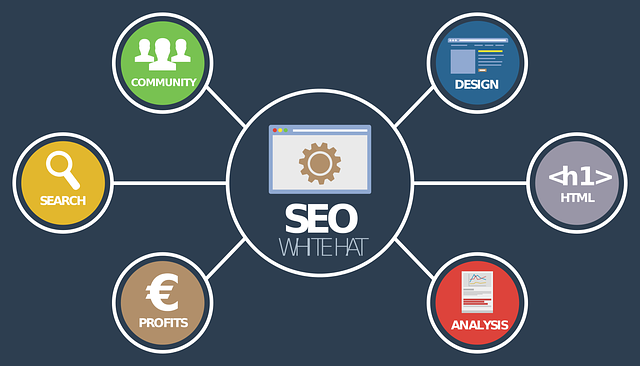
This is where Search Engine Optimization (SEO) becomes important.
A properly optimized website can help search engines understand:
- What your business does
- Which products or services you provide for them
- Where you operate at
- Which topics you specialized in
- Which customers you serve
Over time, SEO can help your website appear in relevant search results and bring potential customers to your business.
4. A Website Helps You Get Found on Google

Having a website doesn’t automatically guarante that your business will rank at the top of Google.
However, it provides the foundation needed for a long-term SEO strategy.
You can create pages targeting relevant searches such as:
- Digital marketing services
- Website design services
- SEO services
- Social media marketing
- Paid advertising
- Local services
- Industry-specific solutions
You can also publish useful blog content that answers questions your potential customers are searching for.
For example, a digital marketing agency could publish articles such as:
“How Much Does Digital Marketing Cost for a Small Business?”
“SEO vs Google Ads: Which Is Better for Your Business?”
“How to Get More Customers From Instagram”
These articles can attract people who are already interested in digital marketing.
Instead of constantly paying to reach an audience, you can gradually build an organic traffic channel.
5. Your Website Builds Trust

People don’t simply buy products and services.
They buy confidence.
Before making a purchase, customers often want to know:
“Can I trust this business?”
A website can answer that question.
You can include:
Customer Testimonials
Show what previous customers have said about your business.
Portfolio
Display examples of your previous work.
About Us
Explain who you are and what your business stands for.
Contact Information
Make it easy for customers to reach you.
Business Address
Help customers understand where you’re located.
FAQs
Answer common questions before customers contact you.
Certifications and Achievements
Display relevant qualifications, awards, partnerships, or certifications.
The more useful information customers can find, the easier it becomes for them to make a decision.
6. You Control Your Website
Social media platforms are useful, but you don’t completely control them.
Algorithms change.
Reach can increase or decrease.
Platform policies can change.
Features can disappear.
Your account could potentially face restrictions.
Your website is different.
It is your digital property.
You control:
- Your content
- Your branding
- Your pages
- Your design
- Your customer journey
- Your calls to action
- Your analytics
- Your offers
Social media should be part of your marketing strategy.
It shouldn’t necessarily be the entire strategy.
A strong approach is:
Social Media → Website → Lead → Customer
7. A Website Turns Social Media Traffic Into Business Opportunities

Let’s say you create an Instagram Reel that receives 100,000 views.
That’s great.
But views alone don’t necessarily generate revenue.
The next question is:
What happens after someone becomes interested?
This is where your website becomes important.
Your social media post can direct people to a landing page where they can:
- Learn more
- View your services
- Request a quote
- Book a consultation
- Download a resource
- Purchase a product
- Contact your business
This creates a journey:
Content → Interest → Website → Trust → Action → Customer
Without a website, interested people may have to search through your social profile or send a message and wait for a response.
A website can make the process much easier.
8. Your Website Can Generate Leads

A good business website shouldn’t simply provide basic information.
It should encourage visitors to take action.
This is called conversion optimization.
Depending on your business, your website could include:
- Contact forms
- WhatsApp buttons
- Call buttons
- Quote requests
- Appointment booking
- Newsletter signup
- Product purchases
- Consultation requests
For example, instead of simply writing:
“We provide digital marketing services.”
A stronger website might say:
“Ready to grow your business online? Book a free consultation.”
The second approach gives visitors a clear next step.
9. A Website Makes Your Business Easier to Share

Imagine someone asks your customer:
“Who helped you with your website?”
Instead of explaining everything verbally, your customer can simply share your website.
The same applies when someone asks:
“Where can I see your products?”
“What services do you provide?”
“How can I contact you?”
“Do you have examples of your work?”
A website gives customers a single destination containing the information they need.
It can also be shared through:
- Google Business Profile
- QR codes
- Business cards
One website can support multiple marketing channels.
10. Your Website Strengthens Your Brand
A brand is more than a logo.
Your website gives you an opportunity to create a consistent brand experience.
You can control:
- Colors
- Typography
- Photography
- Tone of voice
- Messaging
- Brand story
- Visual identity
- Customer experience
For example, a premium jewellery business might use elegant imagery, refined typography, and sophisticated messaging.
A technology startup might use a completely different visual identity.
Your website allows customers to experience your brand instead of simply seeing your logo.
11. A Website Helps You Compete With Larger Businesses
Small businesses sometimes assume that professional websites are only necessary for large companies.
The opposite can be true.
A well-designed website can help a small business compete for attention in the same digital environment as much larger competitors.
A local business may not have the advertising budget of a national company.
But it can compete through:
- Local SEO
- Helpful content
- Strong customer reviews
- Specialized services
- Excellent branding
- Niche expertise
- Community-focused content
The goal isn’t always to compete with everyone.
It’s to become highly visible to the right customers.
12. Local Businesses Especially Benefit From Websites
If you operate a local business, your website can support local search visibility.
For example:
A restaurant in Bangalore could create pages and content around relevant local searches.
A fitness trainer could target customers searching for personal training in a specific area.
A home-service company could create location-specific service pages.
A local business website can include:
- Business address
- Phone number
- Opening hours
- Service areas
- Directions
- Customer reviews
- Local content
- Frequently asked questions
This information can make it easier for the potential customers to understand and contact your business.
13. A Website Supports Your Paid Advertising
Running Google Ads, Meta Ads, or other advertising campaigns without a good destination can limit your results.
Imagine clicking an advertisement and arriving at a confusing page with no clear information.
You might leave immediately.
A dedicated landing page can provide:
Headline → Problem → Solution → Benefits → Proof → Call to Action
For example:
Grow Your Business With Smarter Digital Marketing
Get SEO, social media, website design, and paid advertising solutions built around your business goals.
Book Your Free Consultation
This creates a focused customer journey.
Your website and advertising strategy should work together.
14. Your Website Provides Valuable Customer Insights
A website can provide data that helps you understand your audience.
With appropriate analytics and privacy practices, you can learn things such as:
- Which pages receive the most visits
- Which content attracts attention
- Where visitors come from
- Which pages lead to enquiries
- Which marketing campaigns generate traffic
- What devices visitors use
- Which calls to action receive engagement
This information can help you make better marketing decisions.
Instead of asking:
“I think customers like this.”
You can begin asking:
“What does the data show?”
That shift can significantly improve marketing performance.
15. A Website Helps You Build Long-Term Marketing Assets
Some marketing activities have short lifespans.
You publish a social media post.
It gets attention.
Then it disappears from most people’s feeds.
A useful website article can continue attracting visitors through search for months or even years.
For example, an article titled:
“How to Choose a Digital Marketing Agency for Your Small Business”
could continue attracting potential customers long after it was originally published.
This makes website content a potential long-term marketing asset.
The more useful content you build, the larger your digital footprint can become.
16. Your Website Can Answer Customer Questions Before They Ask
Small businesses often receive the same questions repeatedly.
For example:
- What are your prices?
- Where are you located?
- What services do you offer?
- How long does the service take?
- Do you provide consultations?
- What payment methods do you accept?
- Do you serve my location?
- What is your cancellation policy?
Instead of answering every question manually, you can create an FAQ section.
This saves time for your team while helping customers find answers faster.
17. A Website Makes Your Business More Discoverable
Your customers can discover your business through many different paths.
They might find you through:
Google Search
↓
Blog Article
↓
Service Page
↓
Portfolio
↓
Contact Form
Or:
Instagram Reel
↓
Website
↓
Landing Page
↓
Consultation
Or:
Google Business Profile
↓
Website
↓
Services
↓
Customer Enquiry
Your website becomes the central hub connecting your different marketing channels through different people .
18. What Should a Small Business Website Include?
You don’t need 50 pages to build a successful website.
For many small businesses, a strong foundation can include:
Home
Clearly explain what you do, who you help, and why customers should choose you.
About
Tell your story, experience, values, and mission.
Services or Products
Explain exactly what you offer.
Portfolio
Show previous work or successful projects.
Testimonials
Build trust with customer feedback.
Blog
Publish useful content that can support SEO and establish expertise.
Contact
Make it easy for customers to call, email, message, or visit.
Privacy Policy and Terms
Provide appropriate legal and privacy information for your business and audience.
19. What Makes a Good Business Website?
Simply having a website isn’t enough.
A poor website can actually hurt your credibility.
A good business website should be:
Fast
Visitors shouldn’t have to wait forever for pages to load.
Mobile-Friendly
A large portion of website traffic comes from smartphones, so the experience should work well on smaller screens.
Easy to Navigate
Visitors should quickly understand where to go.
Visually Professional
Your design should match your brand.
Secure
Use HTTPS and follow appropriate security practices.
SEO-Friendly
Structure your pages and content so search engines can understand them.
Conversion-Focused
Give visitors clear next steps.
Accessible
Design the website so as many people as possible can use it effectively.
20. How Much Does a Small Business Website Cost?
The cost can vary significantly depending on the business and website requirements.
A simple informational website may require only a few pages.
A more advanced website might include:
- Online payments
- Ecommerce
- Booking systems
- Customer accounts
- Product catalogs
- Custom integrations
- Advanced analytics
- Automated marketing
Instead of asking:
“How much does a website cost?”
A better question is:
“What does my business need the website to accomplish?”
A website should be treated as a business investment rather than simply an expense.
21. Common Website Mistakes Small Businesses Should Avoid
Mistake 1: Designing Only for Appearance
A beautiful website that doesn’t generate enquiries isn’t doing its full job.
Mistake 2: No Clear Call to Action
Visitors should know what to do next.
Mistake 3: Ignoring Mobile Users
A website that looks great on a desktop but terrible on a phone can lose potential customers.
Mistake 4: No SEO Strategy
A website nobody can discover through search has limited organic reach.
Mistake 5: Slow Loading Speed
People don’t want to wait for a website to load.
Mistake 6: Outdated Information
Incorrect phone numbers, prices, services, or opening hours can damage trust.
Mistake 7: No Proof
Testimonials, case studies, reviews, and portfolio examples can help customers feel more confident.
Mistake 8: Making It Difficult to Contact You
Don’t hide your contact information.
Make it easy.
22. Website + SEO + Social Media = A Stronger Digital Strategy
A website doesn’t replace social media.
It works alongside it.
Think of your digital marketing ecosystem like this:
Website
Your digital home.
↓
SEO
Helps people discover you.
↓
Social Media
Builds attention and engagement.
↓
Content Marketing
Educates and builds authority.
↓
Paid Advertising
Generates targeted traffic.
↓
Landing Pages
Convert visitors into leads.
↓
Analytics
Shows what is working.
Together, these channels can create a much stronger digital marketing system.
23. The Real Value of a Website
The value of a website isn’t simply measured by how many pages it contains.
Its real value comes from what it helps your business achieve.
A successful website can help you:
Get discovered.
Build credibility.
Educate customers.
Generate leads.
Increase enquiries.
Support advertising.
Build your brand.
Improve customer experience.
Create long-term marketing assets.
Grow your business.
That’s why a website should not be treated as an online brochure.
It should be treated as part of your business growth system.
Final Thoughts
For a small business, having a strong online presence is no longer simply about looking modern.
It’s about being discoverable when customers are searching, giving people a reason to trust you, and making it easy for them to take the next step.
Social media can help you get attention.
Advertising can help you reach people.
SEO can help people discover you.
Content can help you build authority.
But your website can bring these pieces together.
Your website is your digital home.
It’s available 24/7, supports your marketing channels, strengthens your brand, and can turn online attention into real business opportunities.
If you’re a small-business owner who doesn’t have a website yet, the question may not be:
“Do I really need a website?”
The better question is:
“How much business could I be missing without one?”
Ready to Build Your Digital Presence?
At Marklyn, we help businesses turn ideas into digital growth through strategic website design, SEO, social media marketing, and performance-focused digital solutions.
Understand → Create → Connect → Grow.
Your business has a story.
Your website should help the right people discover it.